Facilitating Fluid Finances: Assistance Protocols in High-Stakes Mobile Poker and Esports Events
Alex Perry · Oct 26, 2026
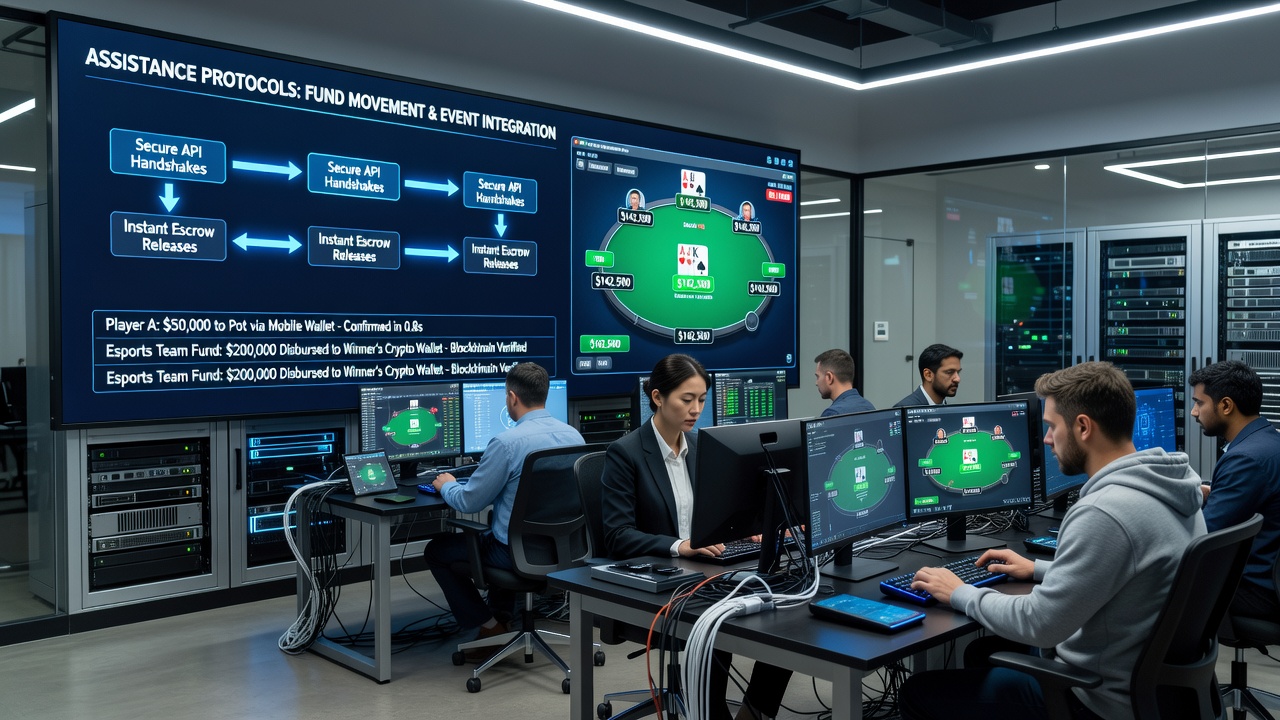
Facilitating Fluid Finances: Assistance Protocols in High-Stakes Mobile Poker and Esports Events
Assistance protocols coordinate payment processors and support teams to handle fund movements during high-stakes mobile poker tournaments and esports live events, where timing directly affects participation and prize distribution. In October 2026 platforms recorded elevated transaction volumes as major esports finals and poker marathons overlapped across multiple time zones, requiring systems that verify identities, release bonuses, and resolve discrepancies without interrupting play.
Core Components of Assistance Protocols
Assistance protocols combine automated verification tools with human agents who monitor live feeds from tournament organizers and payment gateways. These systems flag unusual activity, such as rapid bonus claims during a single esports match or poker hand, and route the case to an agent who confirms details against player accounts. Data from industry reports shows that integrated chat and ticket systems reduce average resolution time from several minutes to under sixty seconds when agents access real-time ledgers.
Protocols also maintain direct links to regulatory databases. Platforms operating under frameworks from bodies like the Alcohol and Gaming Commission of Ontario cross-check player eligibility before authorizing large transfers. This step prevents delays when prize pools exceed standard limits during weekend esports tournaments.
Application in Mobile Poker Tournaments
Mobile poker events rely on assistance protocols to manage side bets, rebuy requests, and final-table payouts while games continue. When a player wins a pot worth thousands, the protocol triggers an automated hold period followed by agent review if the amount triggers compliance flags. Observers note that teams stationed in operations centers coordinate with banking partners to release funds into digital wallets within the same session, allowing winners to re-enter subsequent events without leaving the app.
Case examples from major platforms illustrate the pattern. One documented instance involved a player whose bonus redemption stalled mid-tournament because of a network hiccup; the assigned agent accessed the payment processor dashboard, confirmed the transaction hash, and cleared the hold before the next hand began. Such interventions rely on pre-established escalation paths that connect support staff directly to financial operations teams.
Handling Esports Live Event Transactions
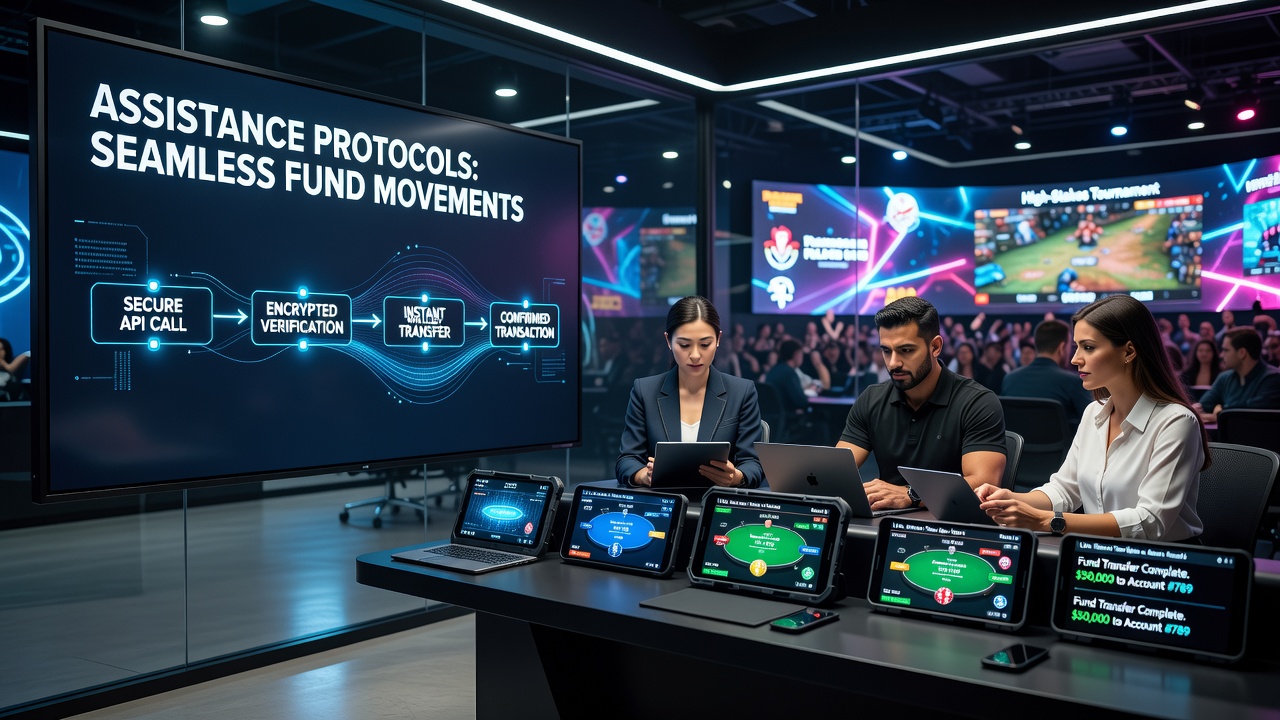
Esports competitions introduce additional variables because prize structures often include team allocations and sponsor bonuses that activate at match end. Assistance protocols track these conditional payments by ingesting data streams from tournament organizers. When a team qualifies for a live payout, the system queues the transfer and notifies agents to confirm roster changes or eligibility updates before funds move.
Research published by the European Gaming and Betting Association indicates that synchronized support channels cut dispute rates by approximately 30 percent during peak live-event windows. Agents use shared dashboards that display both game state and account balances, allowing them to answer player queries about pending transfers without pulling individuals out of active matches.
Technology Enabling Real-Time Coordination
Secure APIs connect assistance software to banking rails and esports platforms. Encryption standards protect the data packets that carry verification codes and transfer instructions. When anomalies appear, such as mismatched device fingerprints during a high-value poker buy-in, protocols pause the transaction and open a support ticket that includes all prior activity logs for immediate review.
October 2026 saw increased adoption of predictive routing, where machine-learning models direct queries to the most experienced agents based on transaction type and historical patterns. This approach keeps response times consistent even when thousands of users access mobile apps simultaneously during major finals.
Regulatory and Operational Safeguards
Compliance teams embed checkpoints inside assistance workflows. Agents must log every intervention that affects fund movement, creating audit trails required by jurisdictions including those overseen by the Australian Communications and Media Authority. These records help platforms demonstrate that protocols prevent unauthorized transfers while maintaining speed for legitimate claims.
Training programs emphasize scenario-based exercises drawn from past live events. Staff practice handling simultaneous requests from poker players and esports teams, learning to prioritize based on event stage and prize value. The result is a measurable reduction in escalations that reach senior management during critical tournament moments.
Conclusion
Assistance protocols function as the operational backbone that aligns support responses with payment networks in mobile poker and esports environments. By combining automated checks, agent oversight, and direct connections to processors, these systems enable fund movements that keep pace with live competition demands. Continued refinement of routing logic and data integration supports the volume increases observed through late 2026 while meeting regulatory requirements across multiple regions.